
WordPress Leads the Open Website Alliance: What It Means for Site Owners
WordPress is now leading the Open Website Alliance, a coalition uniting Drupal, Joomla!, TYPO3, and WordPress to shape the EU Cyber Resilience Act together. Here is what this regulatory shift means in practice for WordPress site owners and what you should check on your hosting account right now.

PHP CVE-2026-109618 and CVE-2026-109619 Patched on All MioriticHost Web Hosting Servers
This is a follow-up to our October 21, 2026 announcement. The PHP patches for critical vulnerabilities CVE-2026-109618 and CVE-2026-109619 (CVSS 9.2) were manually installed on all MioriticHost web hosting servers in the early hours of October 22, shortly after our platform vendors made them available. No action is required on your end.

Critical PHP Vulnerabilities in October 2026: What We Did and What You Should Check
On October 21, 2026, the PHP project released emergency patches for two critical vulnerabilities scored at CVSS 9.2, affecting any unpatched PHP site regardless of application or plugins. Here is what MioriticHost has already done and what practical steps you can take right now.
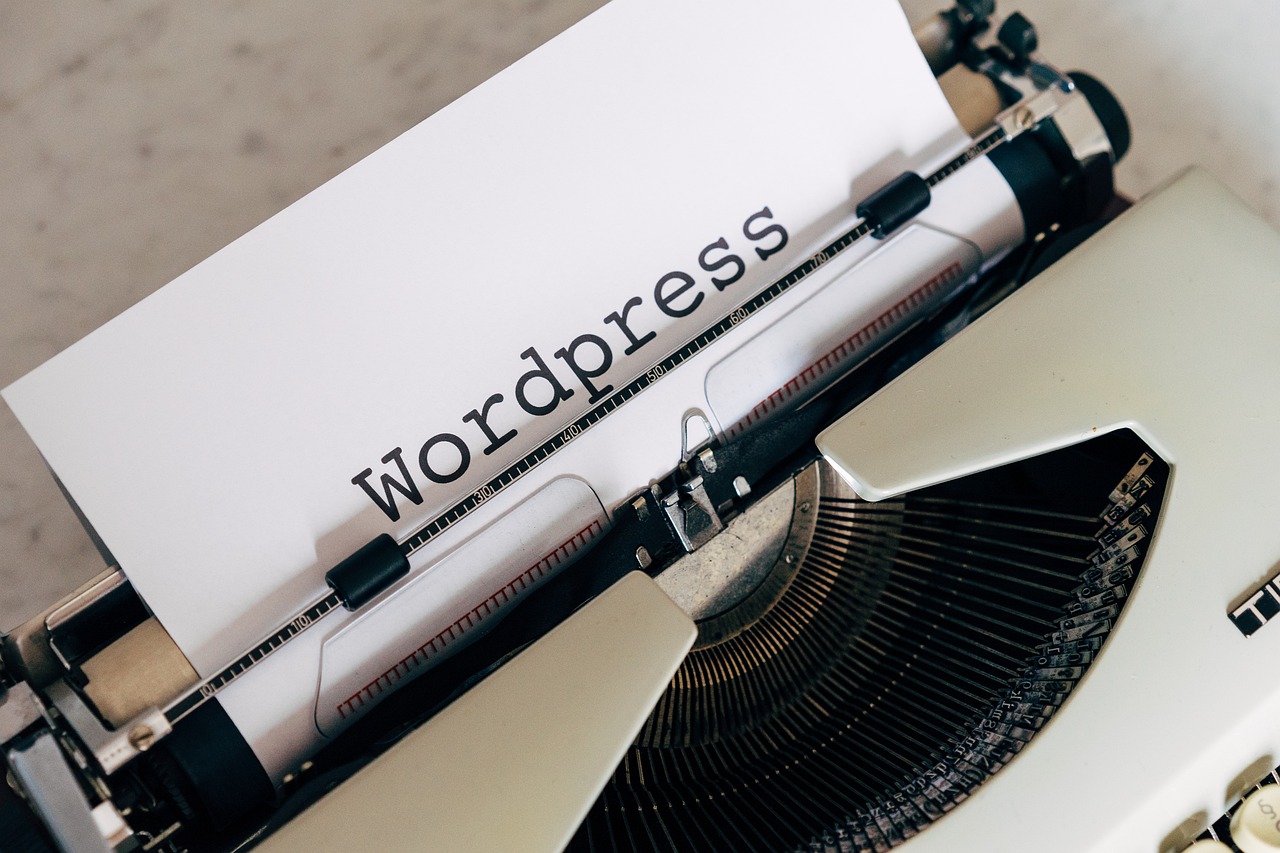
Cleaner WordPress Hooks with Event Objects: A Practical Guide to Rethinking do_action()
If you build WordPress plugins or themes, you have probably called do_action() hundreds of times. There is a straightforward technique, requiring no extra libraries, that eliminates positional arguments, name collisions, and hard-to-trace bugs: pass a typed object instead of loose arguments. Here is how it works and why it matters in production.

Critical WordPress vulnerabilities: what to check right now
Patches are available for two severe WordPress vulnerabilities, and WAF protection is only a temporary shield. Check your installed version, confirm auto-updates, and run a quick post-update validation.