

What the June 8 Yahoo Mail outage reminds us: every business needs an email fallback plan
The June 8 Yahoo Mail disruption left many users unable to log in, read inboxes, or send messages. For small businesses and site admins, the real lesson is clear: critical communication should never depend on a single email provider.

What the new 24 hour delay means for WordPress plugin updates
WordPress.org is adding a temporary delay of up to 24 hours before new plugin and theme releases are pushed through auto-updates. For site owners, the real takeaway is better update hygiene: backups, staging, monitoring, and a clear rollback path.

CSF will continue under cPanel: what this means for cPanel and WHM servers
CSF is not going away, but its update path is changing after the original vendor shut down. Here is what cPanel and WHM admins should check to stay protected and avoid update-related errors.
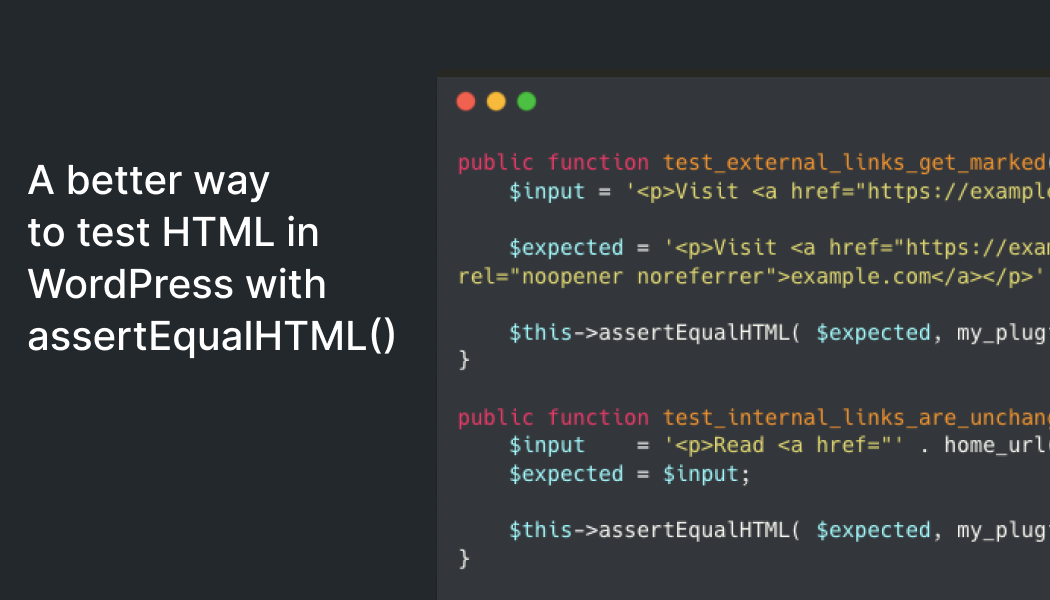
A better way to test WordPress HTML with assertEqualHTML()
WordPress 6.9 adds assertEqualHTML(), a safer PHPUnit assertion for markup produced by plugins, blocks, and content filters. For developers and site admins, that means more reliable releases and fewer test failures caused by irrelevant formatting differences.

How to run AI agents and automated code without exposing your server
Cloudflare points to a practical model for running AI agents: isolated execution, tightly controlled access to private services, and real observability. For VPS, WordPress, and web app admins, the takeaway is simple: do not let automation run directly on your production server.